Sydney has some of the easiest snorkelling in Australia and some of its best temperate diving, often within half an hour of the city. The catch is the swell: the same cove can be glassy one day and closed the next. Here are 15 sites around Sydney and NSW on one map, and how to pick one on the day.
Where are the best snorkel and dive sites in Sydney?
They cluster in four areas. Manly and the northern beaches have Shelly Beach and Long Reef. The eastern suburbs hold Clovelly and Gordons Bay. Botany Bay, from La Perouse to Kurnell, is the city's dive hub, with Port Hacking just south. Beyond Sydney, the Central Coast, South West Rocks and Byron Bay have the big boat dives.
- Shelly Beach (Cabbage Tree Bay)Shore · beginner A no-take reserve at Manly, and Sydney's most famous snorkel.
- Bare Island, La PerouseShore · intermediate Reefs around an old fort, with seadragons and pipehorses.
- Clovelly BayShore · beginner A long, narrow inlet with concrete ledges and calm water.
- Gordons Bay Underwater Nature TrailShore · intermediate A 600-metre chain trail with plaques, reached on foot.
- Ex-HMAS Adelaide, AvocaBoat · advanced A navy frigate scuttled in 2011 in 32 metres.
- Fish Rock, South West RocksBoat · advanced An ocean cave through an island, with grey nurse sharks.
- Julian Rocks, Byron BayBoat · intermediate A grey nurse shark habitat 2.5 km off Byron Bay.
- Kurnell, Kamay Botany BayShore · intermediate Rocky ledges on the south side of Botany Bay.
- Shiprock Aquatic ReserveShore · intermediate A small Port Hacking reserve, best dived at slack tide.
- Cape Banks Aquatic ReserveShore · advanced An exposed headland reserve at the mouth of Botany Bay.
- Long Reef Aquatic ReserveShore · intermediate NSW's first aquatic reserve, set up in 1980.
- Bushrangers Bay, Bass PointShore · beginner A sheltered aquatic reserve near Shellharbour.
- North Harbour Aquatic Reserve, ManlyShore · beginner Calm harbour-side water right beside Manly.
- Silver Beach, KurnellShore · beginner A calm, north-facing Botany Bay beach popular with divers.
- Camp Cove, Watsons BayShore · beginner A small, sheltered harbour beach just inside South Head.
When is the best time to snorkel in Sydney?
Think in swells, not months. Sydney's coast faces the open Tasman Sea, and a big east or south swell can close exposed sites such as 2, 10 and 11 completely; Gordons Bay goes from calm cove to washing machine. In summer the water is warmest, and the East Australian Current brings tropical fish into bays like Cabbage Tree Bay.
Winter water is colder, but it brings its own animals: Port Jackson sharks gather around Bare Island in late winter, and humpbacks pass Byron Bay from May to September. Mornings are calmer almost everywhere, before the sea breeze builds.
What are the best snorkel spots for beginners in Sydney?
Start with water that is shallow, sheltered and easy to leave. Clovelly Bay (3) is the gentlest: a long, narrow inlet with flat concrete ledges along both sides, ideal for kids and first-timers. Camp Cove (15) sits inside South Head, so it stays calm when the ocean beaches are rough, which is unusual for Sydney.
In Manly, the North Harbour Aquatic Reserve (13) on the harbour side is the easiest water to reach by ferry. If you want guaranteed fish without hunting for them, the short walk from Manly to Shelly Beach (1) is the reliable choice. Remember the rule: in aquatic reserves, never touch, feed or chase marine life.
Is Shelly Beach worth it?
Yes, if you go early. Shelly Beach (1) sits inside Cabbage Tree Bay Aquatic Reserve, about 20 hectares of water between Manly Beach and Shelly Beach Headland, protected as a no-take zone since 2002. The bay is mostly 2 to 6 metres deep, with a maximum of about 12 metres, and records more than 160 fish species, including the big eastern blue groper. There is no booking or entry fee, and dive schools teach classes in the bay on most days of the week.
Go at the first light of the day. The water is clearer and calmer in the morning, and you beat the crowds. Stay inside the bay unless you are a strong swimmer: off the headland the swell and boat traffic both pick up.
Check the reserve rules on the NSW fisheries (DPIRD) Cabbage Tree Bay page before you go; nothing may be taken, touched or disturbed.
What are the best dives in Sydney?
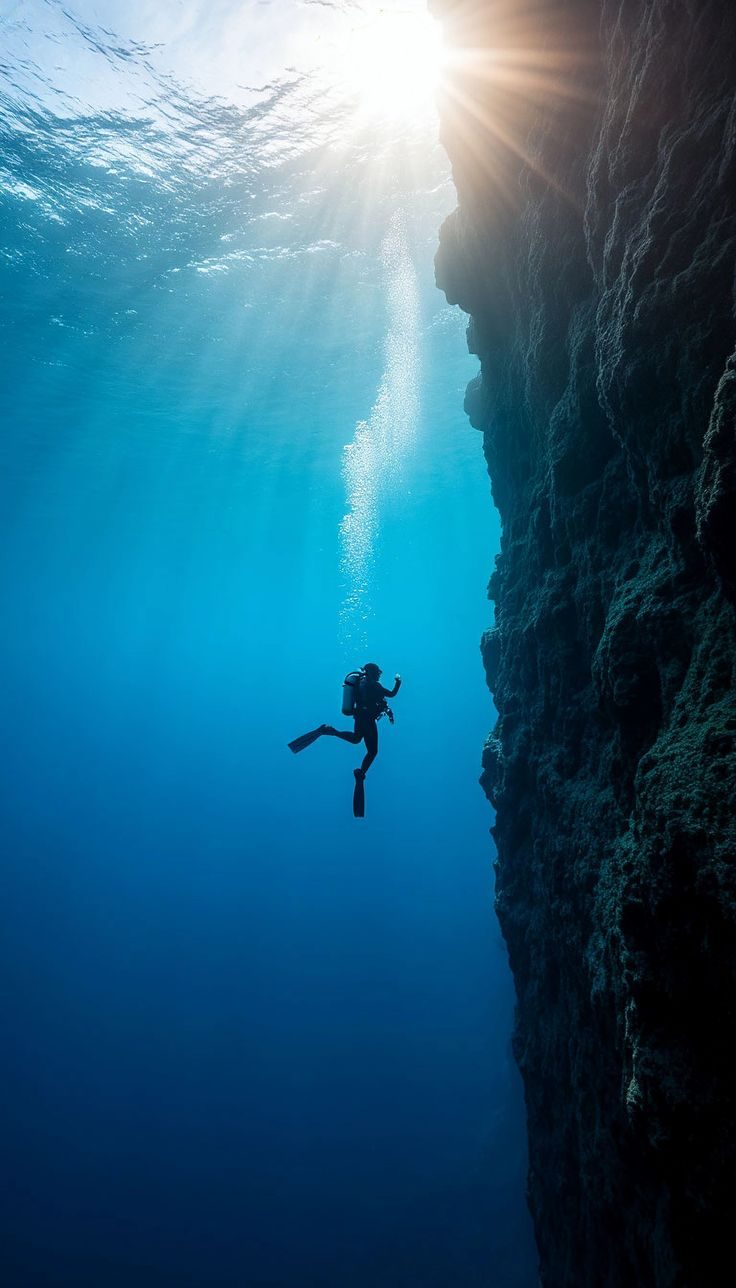
Sydney is a shore-dive city. Bare Island (2), joined to La Perouse by a footbridge, is often called the most popular dive site in NSW, with seadragons, big belly seahorses and pygmy pipehorses. Across Botany Bay, Kurnell (8) has ledges inside Kamay Botany Bay National Park, and Shiprock (9) in Port Hacking is a small, rich reserve set up in 1982.
By boat, the ex-HMAS Adelaide (5) is a former navy frigate scuttled 1.7 km off Avoca Beach in 2011 in 32 metres. A 2024 storm brought down its superstructure, so dive it with a local operator. Cape Banks (10) is a rugged headland at the mouth of Botany Bay, but swell makes it a calm-day dive for experienced divers only.
Further afield, Fish Rock (6) off South West Rocks is a famous cave dive with grey nurse sharks, and Julian Rocks (7), now Nguthungulli Nature Reserve, is critical habitat for grey nurse sharks, with leopard sharks and wobbegongs. It sits 2.5 km off Byron Bay, and currents can be strong.
How do you snorkel Sydney safely?
- Read the swell first: if there is a big east or south swell, go to the harbour or a sheltered bay. Never snorkel a site you have only seen on a calm-day photo.
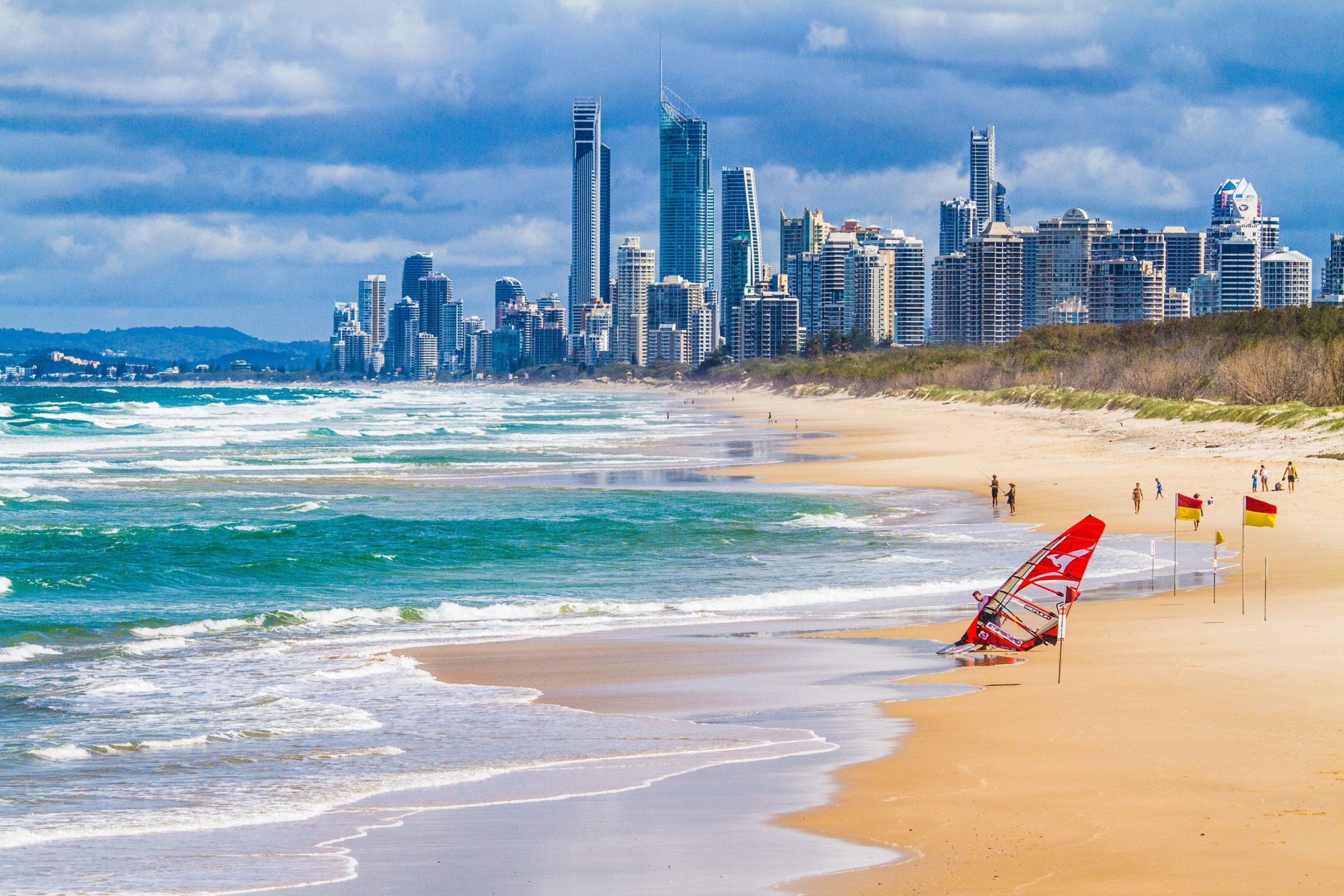
- Choose patrolled beaches when you can, swim between the flags, and ask the lifeguards about rips before you get in.
- Watch the entry and the exit: on rock ledges like Bare Island and Kurnell, the hardest part is getting out. Plan it before you go in.
- Tow a bright float: boats use the same bays, so make yourself visible, and keep clear of channels and boat ramps.
- Give wildlife space: never touch, feed or chase fish, rays or seals, and take nothing from an aquatic reserve.
For more on rip currents, warning signs and sharks, read our guide to ocean safety in Australia, and see the New South Wales guide for where to stay near each coast.
Facts checked October 2026. Rules, fees and conditions change, so check with the operator, park or lifeguard before you go.