Australia's states share one continent but feel like different countries. Here is how New South Wales, Queensland, the Northern Territory, Tasmania, WA and Victoria compare, who each suits, and how to get there and between them.
Which Australian region is best for a first visit?
For most first-timers the answer is New South Wales or Queensland. Sydney is the easiest city to reach, has the widest choice of places to stay and packs beaches, coastal walks, history and city life into one harbour. Queensland trades the city for the Great Barrier Reef, rainforest and island resorts.
If you already know you want red desert and wide-open space, start in the Northern Territory. If what you want most is wilderness, cool air, quiet beaches and a slower pace, go to Tasmania. WA and Victoria work well as first or second regions, depending on your interests.
Be honest about what you want from the trip. If you picture long dinners, shopping and a lively beach scene, Sydney and Melbourne deliver. If you picture empty roads, rainforest and stars, the outback and the north will suit you better. Australia is huge and distances are long, so choose the region that fits your style rather than the one that looks cheapest on a single flight search.
What is each Australian region like?
- New South Wales, "The Premier State": home to Sydney and the most Australians. Bondi, the Opera House and the surf beaches of the Northern Beaches are all a short trip from the city.
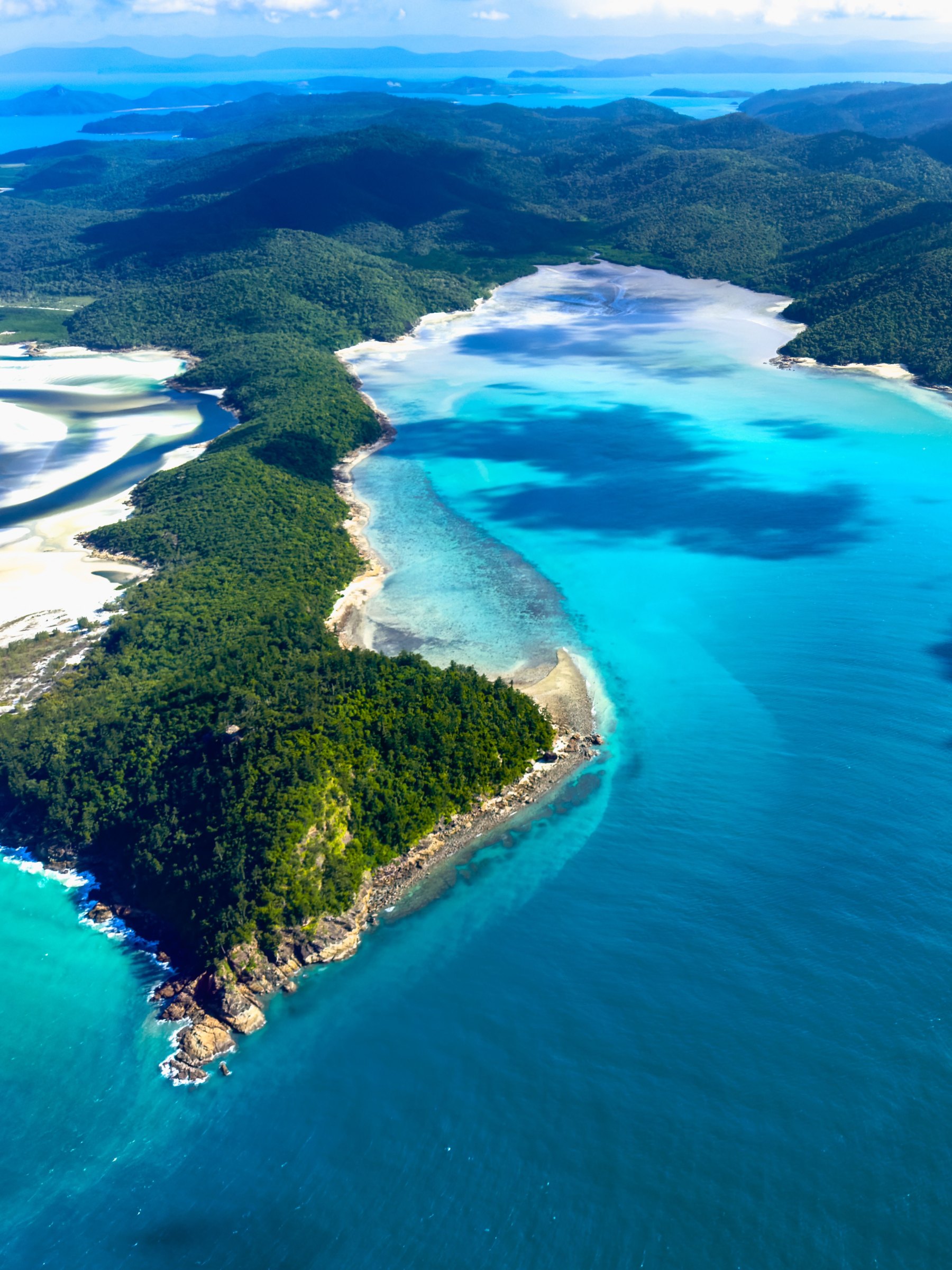
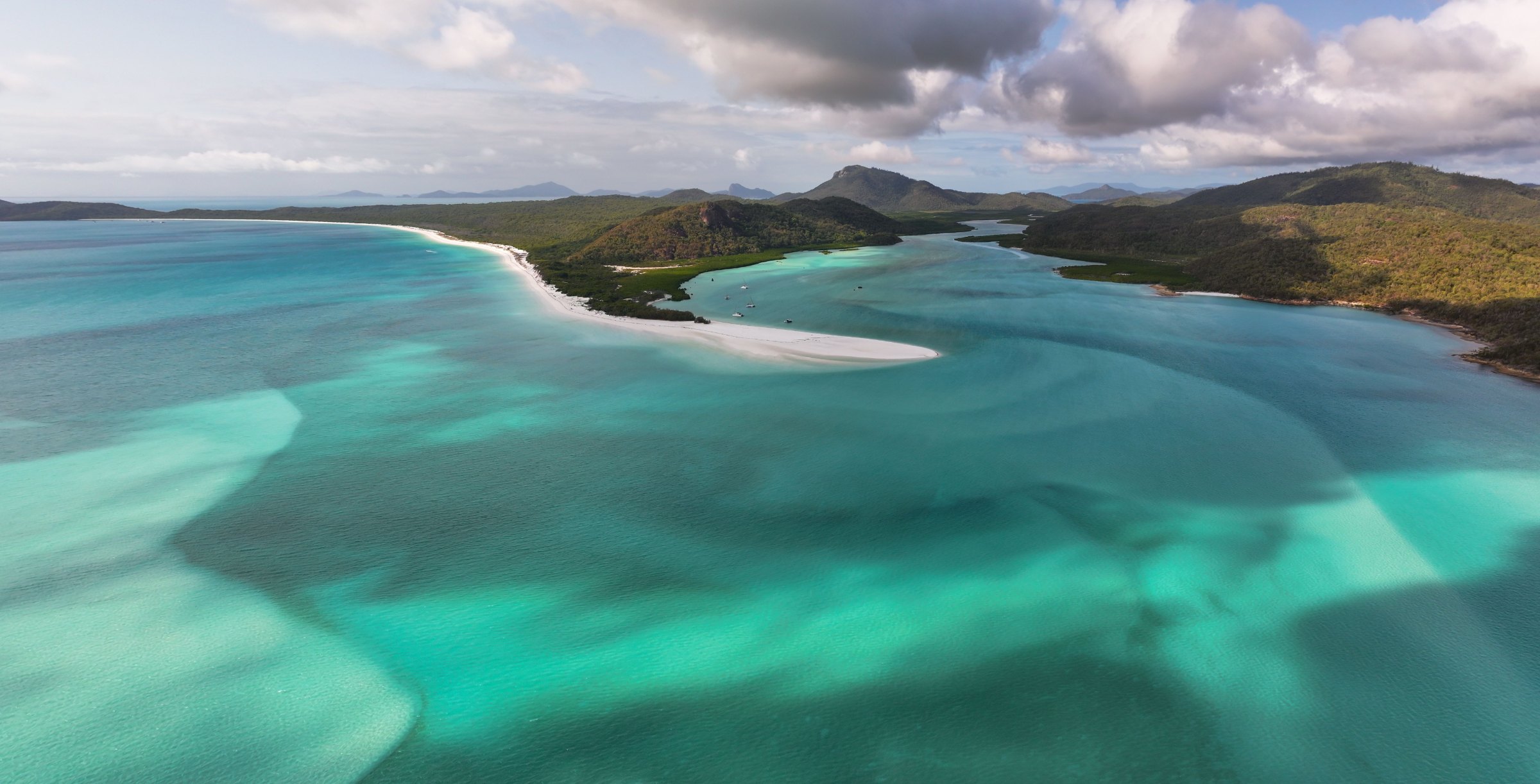
- Queensland, "The Sunshine State": the long, warm east coast, from the Gold Coast to Cape York. The Great Barrier Reef, the Whitsundays and the Daintree Rainforest.
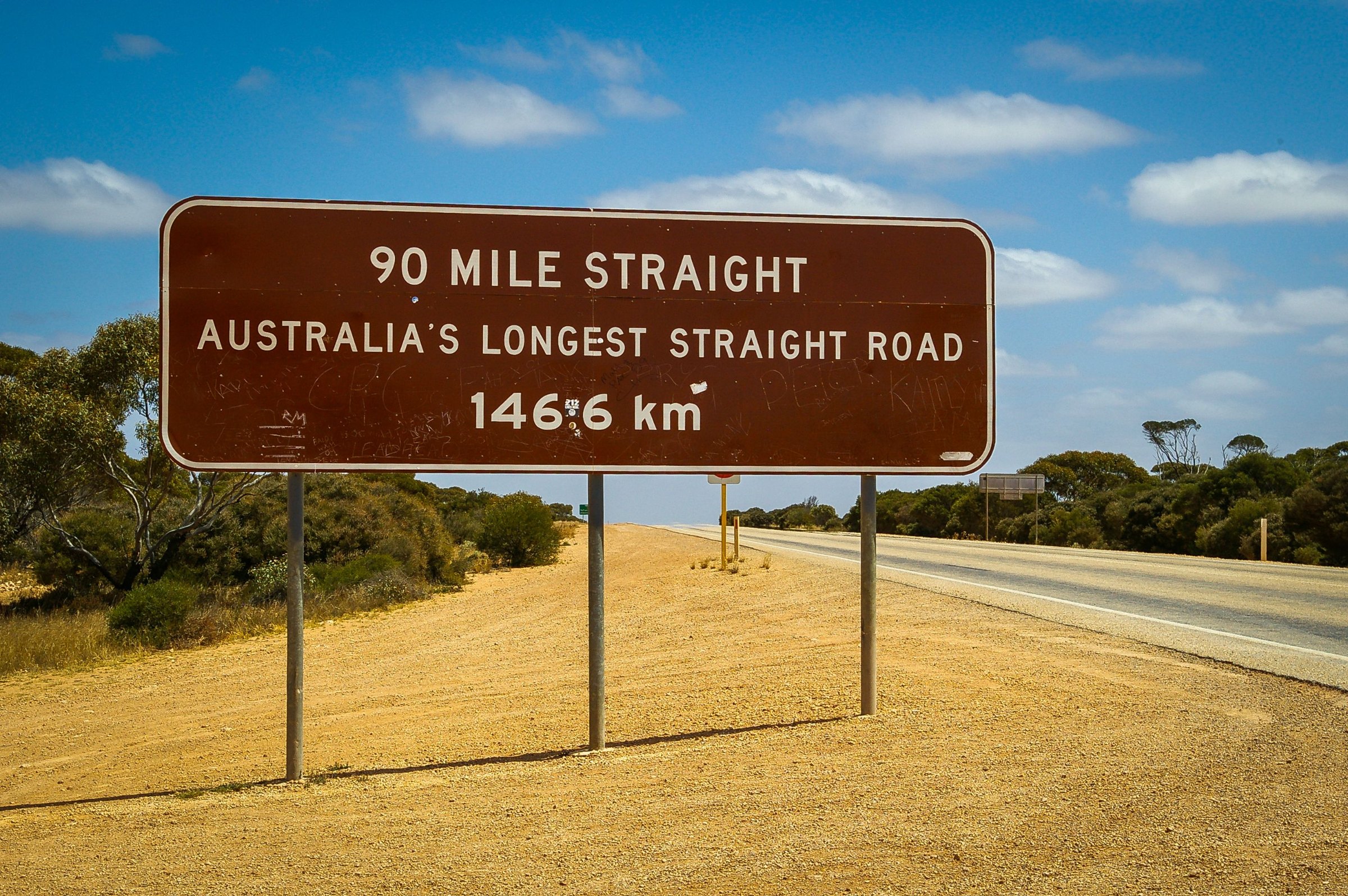
- Northern Territory: the outback heart and the tropical Top End, with vast distances and few people. Uluru, Kata Tjuta, Kakadu, red desert, rock art and long drives between sights.
- Tasmania, "The Apple Isle": wild, green and unhurried. Cradle Mountain and Freycinet define it, and small towns set the pace.
- Western Australia, "The Wildflower State": the largest state, with Perth, empty beaches and the Ningaloo Reef. Huge distances and very few crowds.
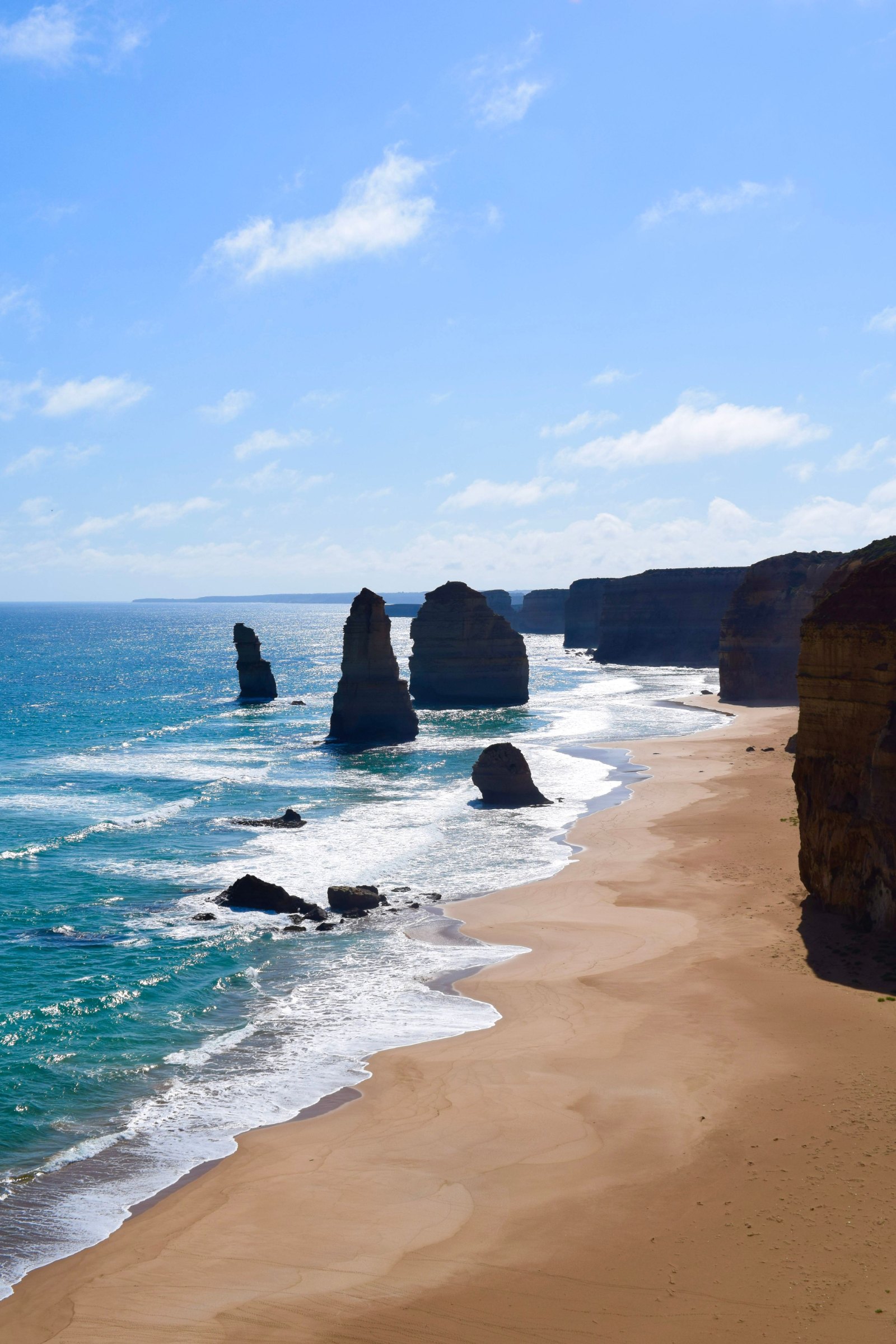
- Victoria: the smallest mainland state, centred on Melbourne. Laneways, food and coffee, wine regions and the Great Ocean Road.
Which region suits families, honeymooners and adventurers?
Match the region to how you like to travel, not to the prettiest photo you have seen.
- Families: NSW wins on variety and short trips, with patrolled beaches and plenty of rainy-day options in Sydney. Queensland's coasts work well if you want pools, theme parks and easy beach days.
- Honeymoon: the Whitsundays for island resorts, Tasmania for privacy and scenery, a Kimberley lodge if the budget allows.
- Adventure: the NT for desert landscapes, stargazing and long outback drives; Tasmania for hiking, kayaking and the Overland Track through alpine wilderness.
- Culture and history: Sydney and Melbourne for museums and galleries; the NT, with Uluru, Kakadu and living Aboriginal culture, for Country.
- Budget: the east coast usually has the most competition in flights, rooms and food. The more remote the region, the fewer cheap options you will find.
- Nightlife: Sydney and Melbourne in particular. Outback towns go quiet early.
- Nature: every region delivers, but Tasmania and the NT give you the most raw landscape per day.
How do the regions compare at a glance?
| Region | Main airport | Best for | Pace |
|---|---|---|---|
| New South Wales | Sydney (SYD) | First-timers, culture, nightlife, beaches | Busy, city plus beaches |
| Queensland | Brisbane (BNE), Cairns (CNS) | Reef, families, resorts | Relaxed, tropical |
| Northern Territory | Darwin (DRW), Ayers Rock (AYQ) | Outback, adventure, culture | Spread out, lots of driving |
| Tasmania | Hobart (HBA) | Nature, hiking, food lovers | Slow and green |
| Western Australia | Perth (PER) | Road trips, reef, repeat visitors | Very quiet |
| Victoria | Melbourne (MEL) | Food, wine, coastal drives | Lively city, easy day trips |
Which Australian airports have direct international flights?
Sydney Kingsford Smith (SYD) is the main gateway, with the most long-haul routes; nonstop flights from Los Angeles take about 15 hours. Melbourne (MEL), Brisbane (BNE) and Perth (PER) also take direct long-haul flights, and Qantas flies nonstop from Perth to London in just over 17 hours. Cairns, Darwin and Adelaide add some routes from Asia and the Pacific.
Hobart (HBA) and Ayers Rock (AYQ) are served mainly by domestic flights. If you are flying from far away, landing direct in your chosen region saves you a connection and half a day.
In Queensland, choose your airport by where you are going: Cairns for the reef and the Daintree, Brisbane for the Gold and Sunshine Coasts, and Proserpine or Hamilton Island for the Whitsundays.
How do you get between Australia's regions?
Mostly by plane. Distances are long: Sydney to Perth takes about 5 hours, Sydney to Cairns about 3. Qantas, Virgin Australia and Jetstar fly the main domestic routes, and Sydney and Melbourne have direct flights to Uluru of about 3 to 3.5 hours. Schedules shift, so check before you lock in a route.
Road trips work within a region, not across the whole country. The one big ferry is the Spirit of Tasmania, which carries passengers and cars across Bass Strait between Geelong in Victoria and Devonport in Tasmania, usually overnight, in about 9 to 11 hours. Two new ships, Spirit of Tasmania IV and V, are due to take over the route from late 2026, adding more capacity.
Can you combine two regions in one trip?
Yes, and with ten days or more it is worth it. Give each region at least four or five nights: every hop costs you a check-out, a flight, a rental-car swap and a check-in, which eats most of a day.
- Sydney plus Queensland: the classic first trip. City and harbour first, then the reef.
- Sydney plus Uluru: the harbour and the Red Centre in one trip, for first-timers.
- Melbourne plus Tasmania: Melbourne's energy, then the quietest of the states.
- Victoria plus Tasmania: the only pairing you can do by car ferry, with your own car.
With under a week, stick to one region. You will see more and spend less time in airports.
How should you visit Uluru now that the climb is closed?
On foot, from the ground. Uluru welcomes visitors, and park fees support the Anangu traditional owners. Parks Australia asks visitors to respect Tjukurpa (Anangu law) and notes that some sacred sites must not be photographed.
The climb closed permanently on 26 October 2019 at the request of the Anangu. The base walk, about 10 km around the rock, is the best way to see it, and Kata Tjuta's Valley of the Winds and Kings Canyon's Rim Walk are close by. Hotels, tours and restaurants at Yulara operate normally.
- Treat Uluru as a sacred place: walk respectfully, don't touch rock art or enter fenced areas, and obey every sign about photos.
- Respect the heat: start walks early, carry plenty of water, and note that some trails close on very hot days.
- Spend locally: book Aboriginal-guided tours and buy art from community-owned art centres.
Conditions keep changing, so check Parks Australia's Uluru updates before you go.
What should you book in advance?
In Tasmania, walking the Overland Track in peak season, from 1 October to 31 May, requires a booking with Parks and Wildlife Service, at $312 per adult. Bookings open on the first Tuesday in July and sell fast, with only 34 starts a day. Snow can fall at any time of year, so pack warm layers.
At Uluru, every visitor aged 18 or over needs a park pass, $38 for three days, bought online or at the entry station. Most visitors also need an Electronic Travel Authority or eVisitor visa before they fly, so check Home Affairs. Wherever you go, book your rental car or campervan early: in the outback it is the only practical way to get around.
Still undecided? Browse all the Australian regions side by side.
Facts checked October 2026. Flight routes, ferry schedules and park access change often, so confirm with airlines, Spirit of Tasmania and Parks Australia before you travel.
- Tourism Australia: How to get to Australia's iconic destinations
- Parks Australia: Uluru-Kata Tjuta park passes
- Australian Geographic: The end of the Uluru climb
- Parks and Wildlife Service Tasmania: Overland Track FAQs
- Spirit of Tasmania: About the ships
- Premier of Tasmania: Staged ticket release for Spirit of Tasmania IV and V
- SBS News: Nonstop Perth to London flight lands in the UK
- Australian Government: Electronic Travel Authority (ETA)