Australia has more beaches than anyone could visit in a lifetime. The question is which one is right for the day you have: a patrolled beach for swimming, a reef for snorkelling, surf to watch, or a long empty stretch of sand at sunset. Here are the beaches we would choose in New South Wales, Queensland, Western Australia and Tasmania, and the ones to admire from the sand.
What makes a great beach in Australia?
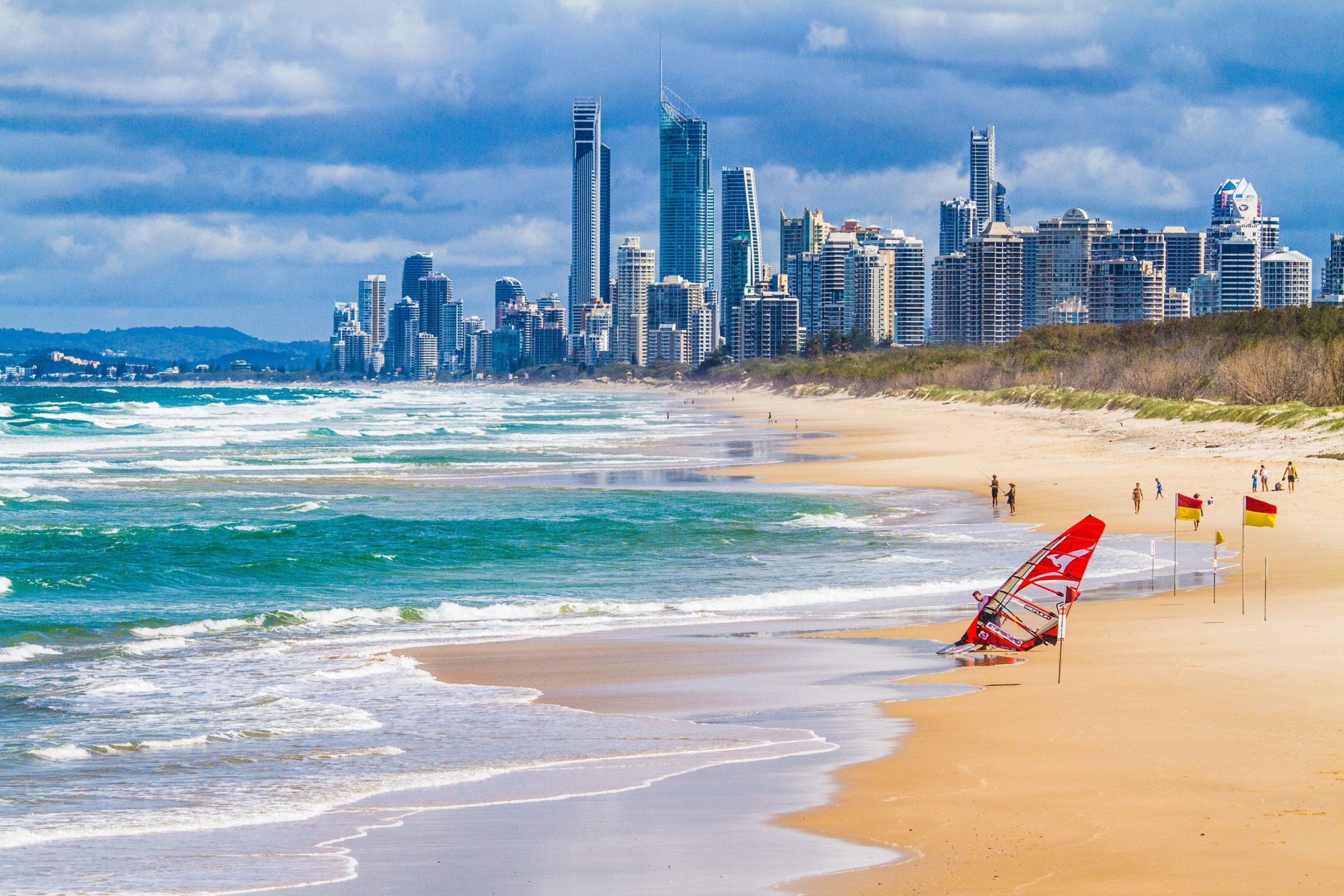
The same coast can be two different places depending on where and when you go. In the tropical north, summer brings box jellyfish and Irukandji, so swimming moves into stinger nets; in the south, summer is peak beach season. A great beach day in Australia starts with picking a beach that suits the conditions, and then swimming between the red and yellow flags. Fewer than 5% of Australia's roughly 11,000 beaches are patrolled, most only seasonally.
What are the best beaches in New South Wales?
Bondi is the classic: a golden curve of sand, a busy promenade and Waverley Council lifeguards on duty every day of the year. Swim between the flags, because a strong rip known as the Backpackers Express runs out along the southern rocks. Across the harbour, Manly is a long, patrolled surf beach, and a short walk away Shelly Beach sits in a sheltered aquatic reserve that is ideal for snorkelling.
South of Sydney, Hyams Beach on Jervis Bay is famous for its very white sand and clear, calm water. North of the city, the Northern Beaches run from Manly to Palm Beach, and on the far north coast Byron Bay mixes surf, lighthouse walks and sunsets over the hinterland.
What are the best beaches in Queensland?
Stinger season · November to May
In tropical Queensland, marine stinger season typically runs from November to May, and box jellyfish and Irukandji can be dangerous. At beaches such as Four Mile Beach in Port Douglas, swim inside the stinger enclosure, which is stinger resistant but not stinger proof, and wear a full-length stinger suit on the reef. Beaches can close while stingers are present. Check the Douglas Shire Council beach updates before you go.
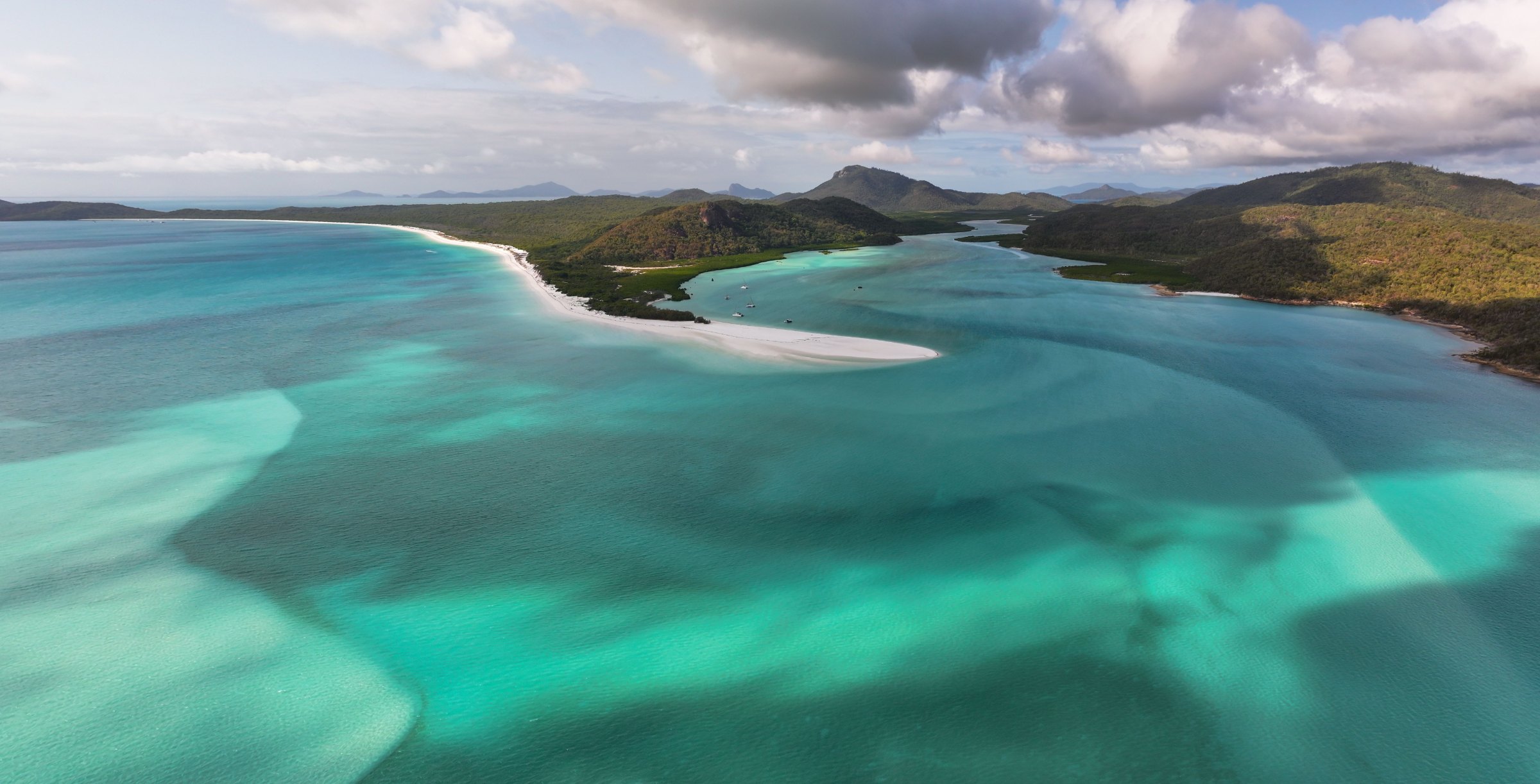
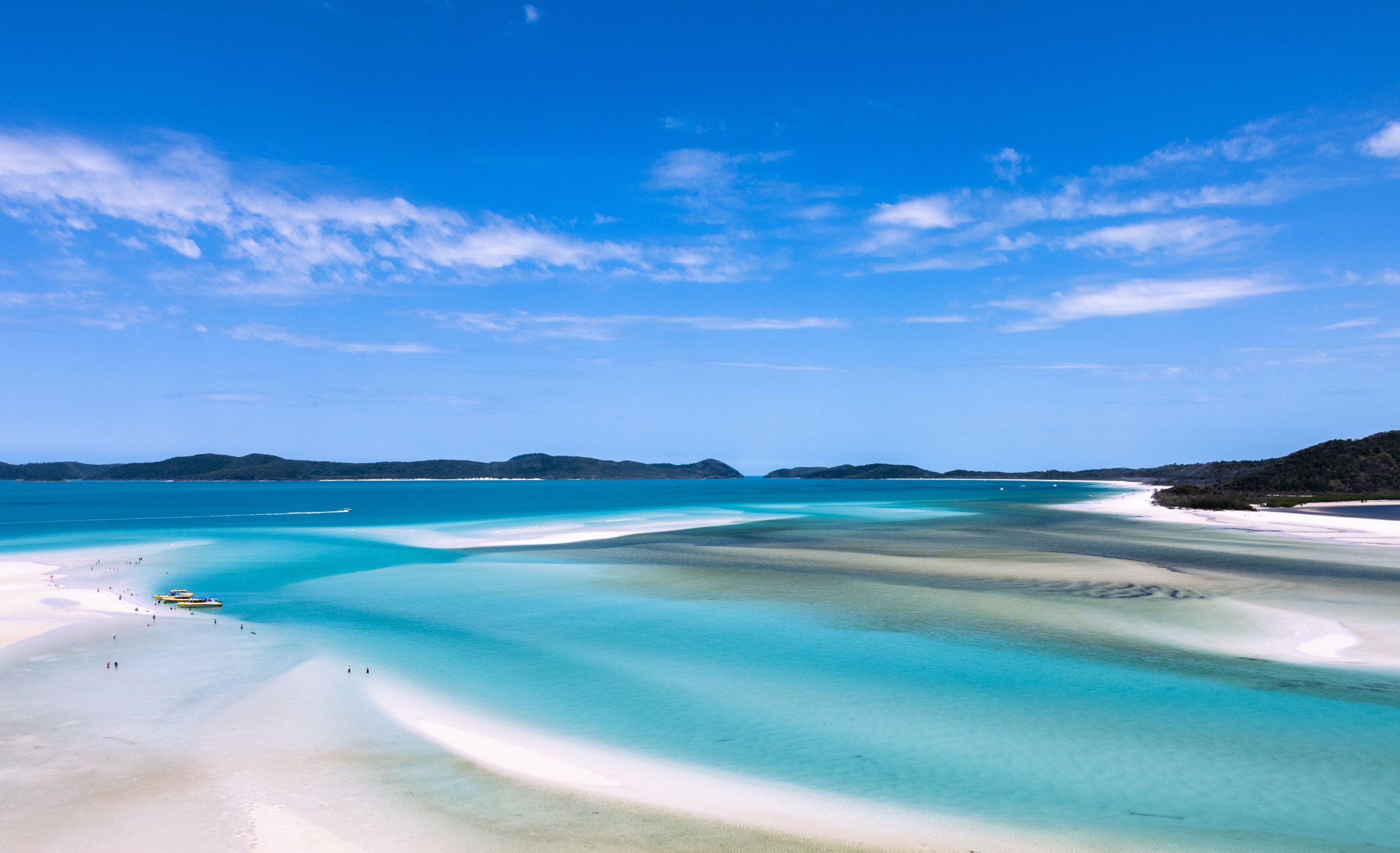
Whitehaven Beach is one of the most beautiful beaches in the world: about 7 km of pure-white silica sand on Whitsunday Island, reached by boat or seaplane from Airlie Beach. At its northern end, the Hill Inlet lookout shows sand and turquoise water swirling with the tide. On the Sunshine Coast, Noosa Main Beach is a sheltered, north-facing and patrolled bay that suits families, with the coastal walk through Noosa National Park leading to quiet coves such as Tea Tree Bay.
Off Hervey Bay, K'gari is the world's largest sand island, with 75 Mile Beach, freshwater lakes and Eli Creek. It is a beach for driving and walking, not swimming, and every vehicle needs a permit.
What are the best beaches in the west and Tasmania?
In Broome, Cable Beach runs for about 22 km along the Indian Ocean, famous for camel rides at sunset; lifeguards patrol it in the dry season, roughly from Easter to October. Near Esperance, Lucky Bay in Cape Le Grand National Park has squeaky white sand, very blue water and kangaroos resting on the beach. On the Ningaloo coast, Turquoise Bay is a world-class snorkel straight off the sand, but its drift current can be strong; ask locally before you go in.
In Tasmania, Wineglass Bay in Freycinet National Park is a lookout as much as a beach: the walk up takes 1 to 1.5 hours return, with many steps. You need a parks pass. The water is cold, clear and best enjoyed with a picnic.
Which beaches should you only look at?
Some of Australia's most photographed beaches are the most dangerous. Most are unpatrolled and many are remote. On K'gari, Queensland Parks advises against swimming at the ocean beaches at all: there are strong currents, sharks, marine stingers and no lifeguards. From Gladstone north, including Cape Tribulation, beaches, creeks and estuaries are crocodile country, so look for warning signs and never swim where they are posted. On the Great Ocean Road, Gibson Steps below the Twelve Apostles is open to the full Southern Ocean swell, with powerful rips and no patrol. At Turquoise Bay, the current runs strongest at the northern end of the drift. Even at Bondi, the southern end is rip-dominated. Go for the view, not the swim.
How do you enjoy Australia's beaches safely?
The sun is fierce: use SPF 50+ sunscreen, a hat and a shirt whenever the UV index is 3 or above, which is most of the year. Never feed wildlife, from dingoes on K'gari to the kangaroos at Lucky Bay, never stand on coral, and take everything you brought home with you. Some beaches need planning: K'gari vehicle permits, Tasmanian parks passes and the Lucky Bay campground (bookable six months ahead); sort them out as soon as your dates are fixed.
Planning a family trip? Read our guide to the safest beaches for families and kids, and see which Australian experiences to book ahead.
Facts checked October 2026. Stinger and patrol seasons are general guidance; conditions change daily, so always ask the lifeguards before you go in.