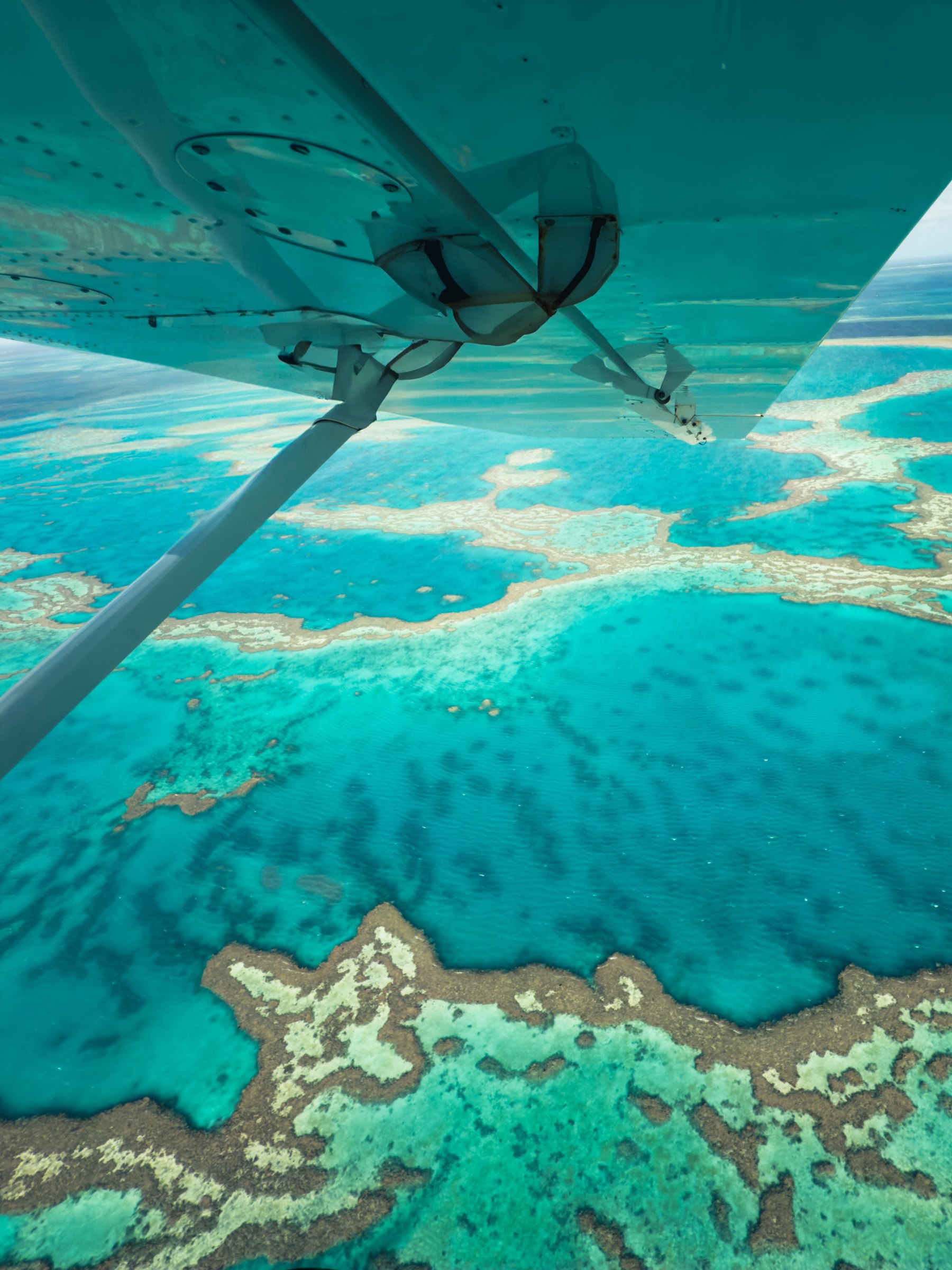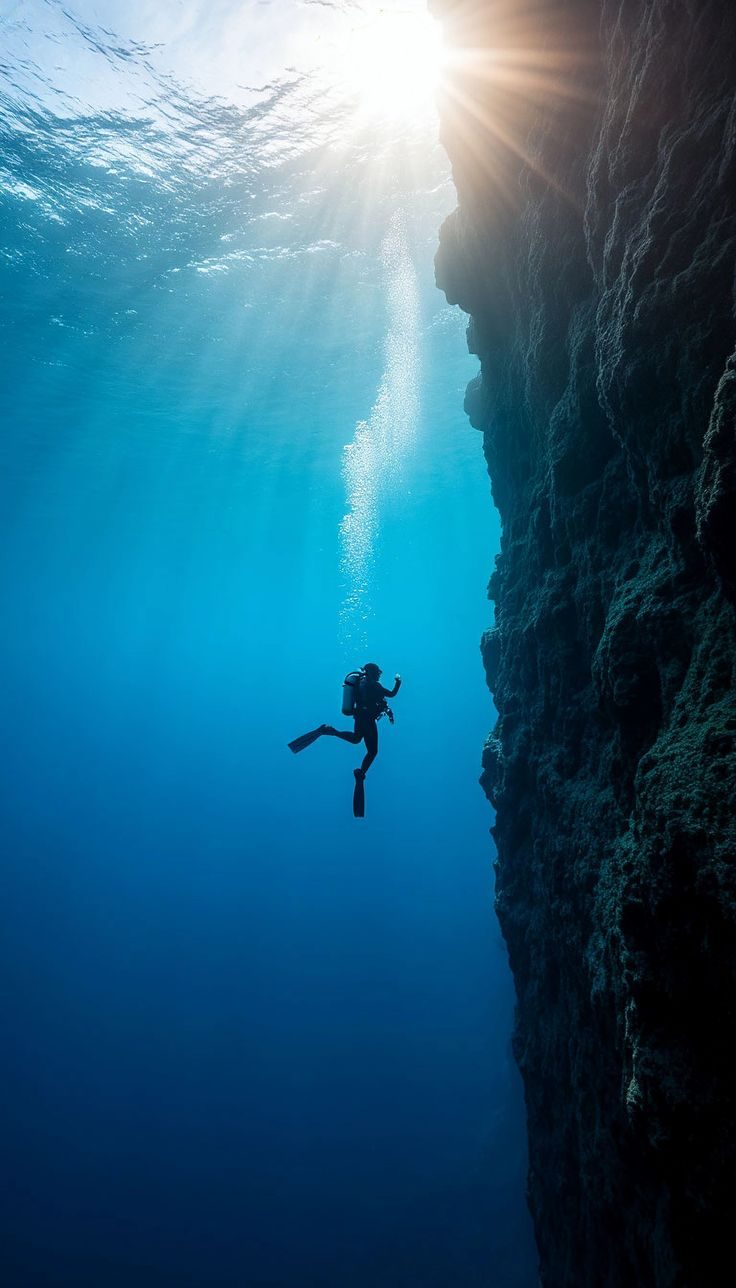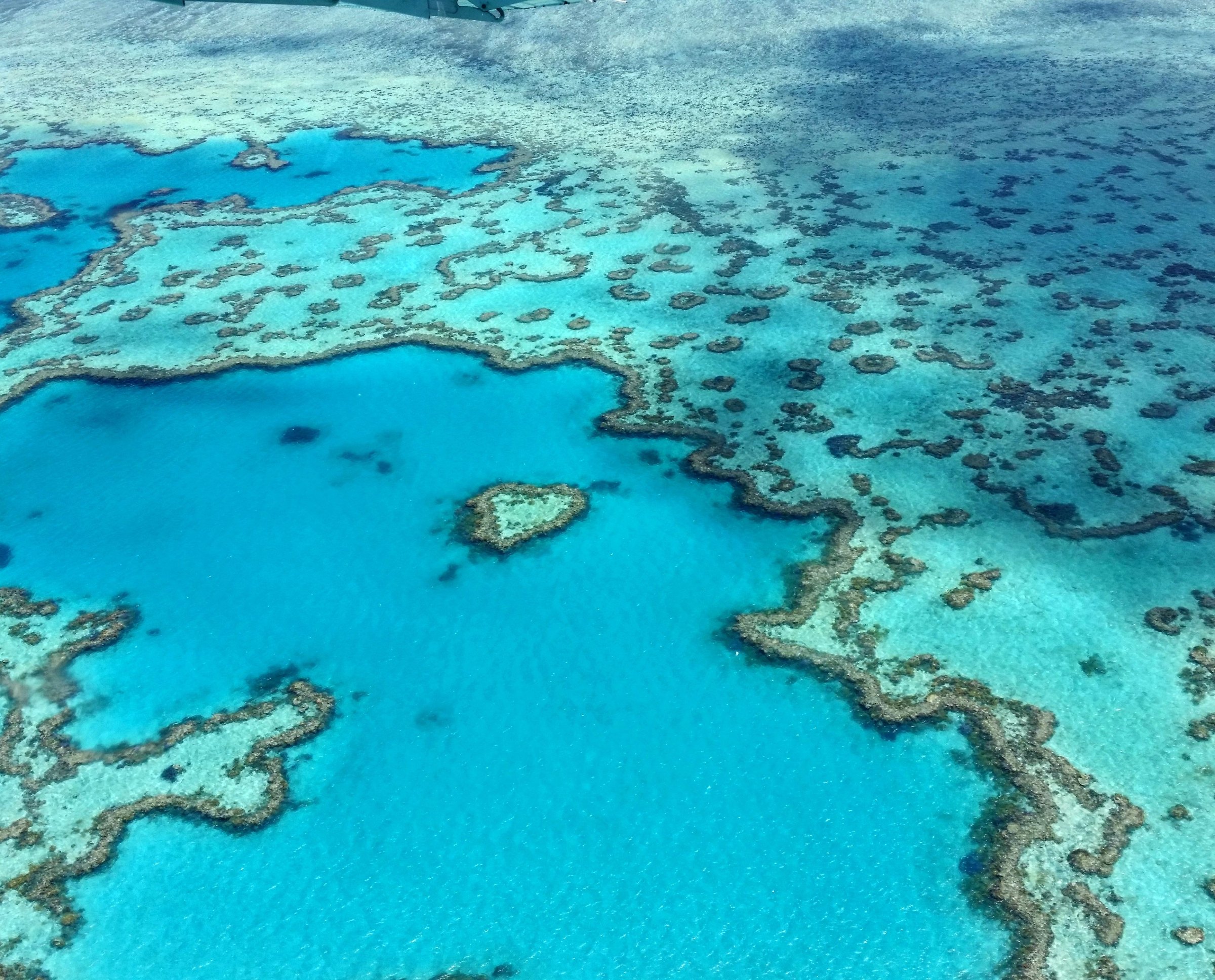
Some of Australia's best snorkelling is in places where fishing is banned outright. That is not a coincidence. This guide covers the marine parks that matter most to visitors, from the Great Barrier Reef's green zones to Ningaloo and Tasmania, and what the rules mean for you.
What is a marine park in Australia?
It is an area of ocean with its own zones and rules. Australia has several layers: Australian Marine Parks in Commonwealth waters, 60 parks covering 3.8 million km², about 43% of Australia's waters; the Great Barrier Reef Marine Park, with its own Reef Authority; and state marine parks and reserves closer to shore, such as Ningaloo. In each, green or sanctuary zones are no-take, while other zones allow fishing.
Where are Australia's best protected reefs?
The numbered sites are areas with the strongest protection:
- Lady Elliot Island, QueenslandGBR green zone · no fishing The reef's southern tip, famous for manta rays and turtles.
- Heron Island, QueenslandGBR green zone · no fishing A coral cay where you snorkel straight off the beach.
- Cod Hole, Ribbon Reefs, QueenslandGBR green zone · no fishing The outer reef dive where giant potato cod meet divers.
- Osprey Reef, Coral SeaCoral Sea Marine Park · remote Sheer walls and sharks, far beyond the Great Barrier Reef.
- Coral Bay, Western AustraliaNingaloo · Maud Sanctuary Zone Coral gardens just a short swim from the beach.
- Osprey Bay, Ningaloo, Western AustraliaSanctuary zone · no fishing A quiet stretch of reef inside Cape Range National Park.
- Rottnest Island, Western AustraliaSanctuary zones · no fishing Reef, wrecks and quokkas, a ferry ride from Perth or Fremantle.
- Julian Rocks, Byron Bay, New South WalesCape Byron Marine Park · sanctuary zone Grey nurse sharks, turtles and rays off Byron.
- Cabbage Tree Bay, ManlyAquatic reserve · no fishing Sydney's favourite snorkel, beside Shelly Beach.
- Ned's Beach, Lord Howe IslandLord Howe marine park · sanctuary zone The world's most southerly coral reef.
- Port Phillip Heads, VictoriaMarine national park · no fishing Kelp, sponge gardens and seadragons at the bay's entrance.
- Governor Island, Bicheno, TasmaniaMarine reserve · no-take Granite, kelp and cold-water fish on the east coast.
- Maria Island, TasmaniaMarine reserve · no-take Kelp forest and reef off a wildlife-rich island park.
Can you fish in a green zone or sanctuary zone?
No. Green zones on the Great Barrier Reef, called Marine National Park zones, and sanctuary zones elsewhere are no-take: no fishing, spearfishing or collecting, although you can still boat, swim, snorkel and dive. Pink Preservation zones need written permission to enter. Yellow, blue and other zones allow fishing with limits. Rules change by zone, so always check the official zoning map and local signs before you drop a line.
The rules can also change over time. The management plans for the Commonwealth's marine park networks date from 2018 and are now under review, so zones may shift. On the Great Barrier Reef, green zones grew from under 5% of the Marine Park to about a third in a 2004 rezoning, and the Reef Authority publishes free zoning maps for every section of the reef.
What is Sea Country, and who else uses the reef?
For Aboriginal and Torres Strait Islander peoples, the sea is Sea Country, as much part of their homelands as the land itself. On the Great Barrier Reef, Traditional Owner groups can manage hunting and gathering under Traditional Use of Marine Resources Agreements (TUMRAs), agreed with the Reef Authority. Visitors can still swim and snorkel, and should respect any signs or local rules about these places.
What should you do inside a protected area?
Most protected areas are open to swimmers and snorkelers, and a few simple habits keep them healthy:
- Look, do not take. Leave shells, coral, rocks and sand where they are, and never feed the fish. Feeding changes their behaviour and can make them sick.
- Keep off the coral. Float over the reef and rest only on sand. A single footstep or fin kick can break decades of growth.
- Give wildlife space. Keep the legal approach distances for whales and dolphins, and never chase, touch or ride turtles.
- Check access rules before you go. Preservation zones are closed without written permission, and four islands in the Coral Sea Marine Park are closed to the public so seabirds and plants can recover.
- Read the signs and zoning maps. They show the zone boundaries and what is allowed in each.
If you see someone breaking the rules, do not confront them. Note the time and place and report it to the Reef Authority on 1800 990 770, or to the state fisheries hotline.
Why do protected areas matter?
Fish in protected areas grow bigger and more numerous, and big fish produce far more young, which spill out to the reefs around them. On the Great Barrier Reef, AIMS found coral trout were on average 2.5 times more numerous and heavier on green-zone reefs than on fished ones. Plant-eating fish keep algae off the coral, which matters more than ever after repeated mass bleaching.
For visitors, protected areas are simply where the snorkelling is best: more fish, bigger fish and calmer, cleaner reefs. Find them in our Sydney, Great Barrier Reef, Ningaloo and Tasmania guides, and read how to visit Australia respectfully.
This guide is for orientation only and is not for legal or navigational use. Freshwater and estuary fishing rules are not covered.
Facts checked October 2026. Rules, fees and conditions change, so check with the operator, park or lifeguard before you go.
- Parks Australia: Australian Marine Parks
- Great Barrier Reef Marine Park Authority: Interpreting zones
- Emslie et al. 2015, Current Biology: coral trout in green zones (AIMS); Parks and Wildlife Service WA: Ningaloo Marine Park